Web design is the art and science
Web design is the art and science of planning and building websites – think of it as designing the user experience of a site. In simple terms, web design refers to the design of websites. This includes everything from choosing colors, fonts, and images (the appearance) to arranging how information is laid out on the page (the layout) so that visitors can find what they need easily. A web designer must consider branding and usability: a good site is “easy to use, aesthetically pleasing, and suits the user group and brand.” In other words, a well-designed site is simple and clear, helping users accomplish tasks without confusion. Today, web design has expanded far beyond just creating pages for desktop browsers – with more than half of all website traffic coming from smartphones and tablets, mobile-friendly (responsive) design is now non-negotiable
A key first step in web design is sketching or wireframing the site’s layout. Designers often start with pencil and paper (or digital wireframes) to plan menus, images, and content placement. This early planning helps ensure the site’s structure is user-friendly. As the Interaction Design Foundation notes, a designer “works on a website’s appearance, layout, and, in some cases, content”. That means thinking about colors, typography, images and icons, as well as how pages link together. Planning is about solving problems: a menu needs to be clear, buttons easy to find, and pages should lead visitors smoothly toward what they want (like reading an article or making a purchase).
Web development – Understanding it more
Web design is often confused with web development, but they are distinct roles. Site Design focuses on the look-and-feel and user experience of a site, while web development (or custom web development) is about writing the code that makes the site work behind the scenes. In practice, a single “web designer” might handle both visual design and coding, but on larger projects, these jobs are split: a designer creates mockups and graphics, and a developer turns those designs into HTML/CSS/JavaScript. When hiring professionals, you may see both web design companies and custom web development firms. A web design company typically offers complete services (design, development, hosting, etc.), often via package deals. Custom development means coding unique features – for example, an interactive tool or database – rather than just using pre-built templates.
A related specialization is UX/UI design. User Experience (UX) design is about the overall feel and usability of a website – mapping the user’s journey through the site – while User Interface (UI) design is about the specific screens and interactive elements (buttons, forms, icons, responsive layouts). UX and UI usually go hand in hand. A UX/UI design agency or team works on both: making sure content is organized logically (UX) and that each page is attractive and intuitive (UI). In web design, UI means choosing the exact shades, spacing, and animations so that every click and scroll is smooth. For example, a UI designer will consider icons and buttons, typography and color schemes, and ensure the interface “makes the design consistent, coherent, and aesthetically pleasing.” Even interactive details (like a button highlighting on hover) are part of UI design In short, UX/UI specialists help make websites both useful and beautiful – turning brand strengths into an engaging online experience.

Core Technologies: HTML5, CSS3, and More
Under the hood, modern web design relies on key technologies like HTML5 and CSS3. These are the standard languages for creating web pages: HTML5 structures the content (headings, paragraphs, images, videos), and CSS3 controls the styling (colors, layouts, fonts, animations). The World Wide Web Consortium (W3C) has released new standards for HTML5 and CSS3, which introduced powerful features: HTML5 supports native video/audio tags and semantic elements (like <header> or <article>), while CSS3 brought responsive layouts (Flexbox, Grid), transitions, and animations. Together, they allow designers to create rich, modern sites without old workarounds (no more using blank GIFs or heavy tables just to align things!). Today’s professional designers and developers use these tools to build standards-based sites that look great and load quickly. They often also use JavaScript and libraries (or even content management systems) for dynamic effects, but the core structure always rests on HTML and CSS.
Responsive & Mobile-Friendly Design
With the rise of smartphones and tablets, responsive web design has become essential. Responsive design means building a site that “responds” to the user’s device – reorganizing or resizing its layout so it looks good on any screen size. As one expert site explains, responsive design uses flexible grids and CSS rules so content adjusts “based on the screen size”. For example, a three-column layout on a desktop may collapse into one column on a phone. The result is a single website that works everywhere, rather than separate “mobile” and “desktop” versions. Google now officially uses the mobile version of your site for indexing and ranking (“mobile-first indexing”), which means if your site only looks good on desktop, you could lose search visibility. Roughly 60% of all website traffic is on mobile devices, so a “mobile-friendly website design” is no longer a bonus but a baseline necessity.
To achieve responsive design, designers create breakpoints in the CSS (using media queries) that change styles at certain screen widths. They also design layouts, images, and menus to be flexible: for instance, touch-friendly buttons (large enough for fingers) and scalable images. Many businesses now advertise responsive web design services specifically, highlighting that they make sites that adapt to tablets and phones. This is critical in India and elsewhere: if a site isn’t optimized for mobile (tiny text, clunky navigation), users will leave—and Google’s algorithms will penalize it. In summary, a top-notch web design today means “mobile-first”—designing for smartphones first, then scaling up for larger screens—and using responsive techniques to ensure a smooth experience on any device.
Professional Web Design Services and Agencies
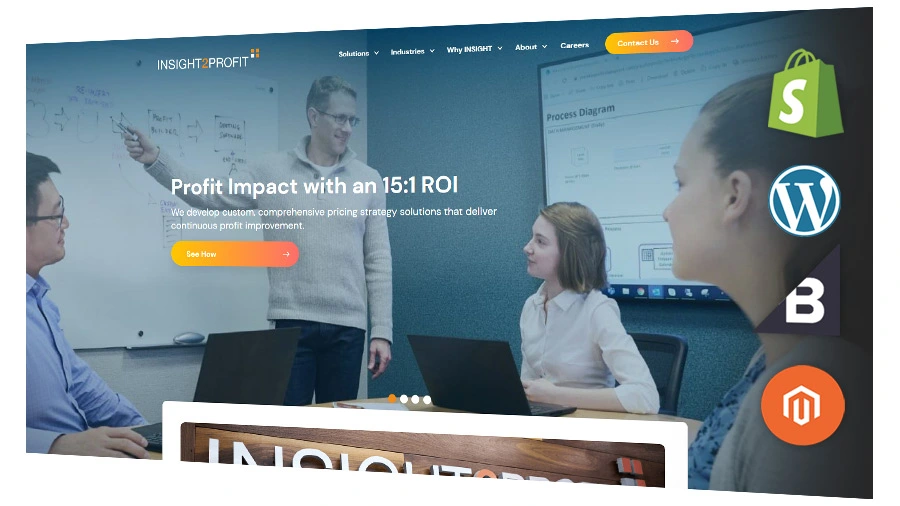
Many organizations turn to professional help to build their websites. A web design company or agency offers expertise in creating a professional website design that aligns with business goals. Such firms often provide packages or custom services, and you might see terms like responsive web design services, custom web development, or SEO-friendly website design in their offerings. Larger agencies may have separate teams for UI design, UX research, coding, and even content writing or SEO. Even small boutique agencies focus on design, layout, and optimization.
On the other hand, working with a good agency costs more than a do-it-yourself template. Agencies often offer affordable web design packages to accommodate smaller budgets. For instance, some entry-level packages may be priced between $100 and $500 (10000 INR-50000 INR) (often covering a basic multi-page site). These budget services may use pre-designed themes or simplified processes, but (as experts note) they don’t have to skimp on quality if done right. The key is making sure essential features are included: mobile-responsive layouts, contact forms, basic SEO setup, and security (SSL). Clients should watch out for hidden costs (hosting, updates, customizations) and make sure any “cheap” service still delivers the elements that help a site succeed.
Other Side of the coin –
Many professional web design services in India cater to small and medium businesses. There are over 49 million registered micro, small, and medium enterprises (MSMEs) in India. A large portion of these businesses want a website to reach online customers. Designers often create small business web design solutions—packages with fewer pages and simpler features – for this market. WordPress (see below) is popular for such projects because it can make sites fast and manageable on a budget. Still, even small business sites should be built with care: a cluttered or outdated website can turn away customers. Studies show that a site giving off “2017 energy” will likely repel visitors.
On the flip side, hiring a professional UX/UI design agency means you get the benefit of research and strategy. A UX/UI agency will often start with user research (surveys, heatmaps, testing) to understand the audience, then design site navigation and wireframes accordingly. They think about how to categorize information for your users and make it easy to find (a process known as information architecture). Then UI designers add brand visuals and interactive elements. Ultimately, an integrated team can deliver a site that not only looks great but also converts visitors (into subscribers or customers) more effectively.
E-commerce Web Design
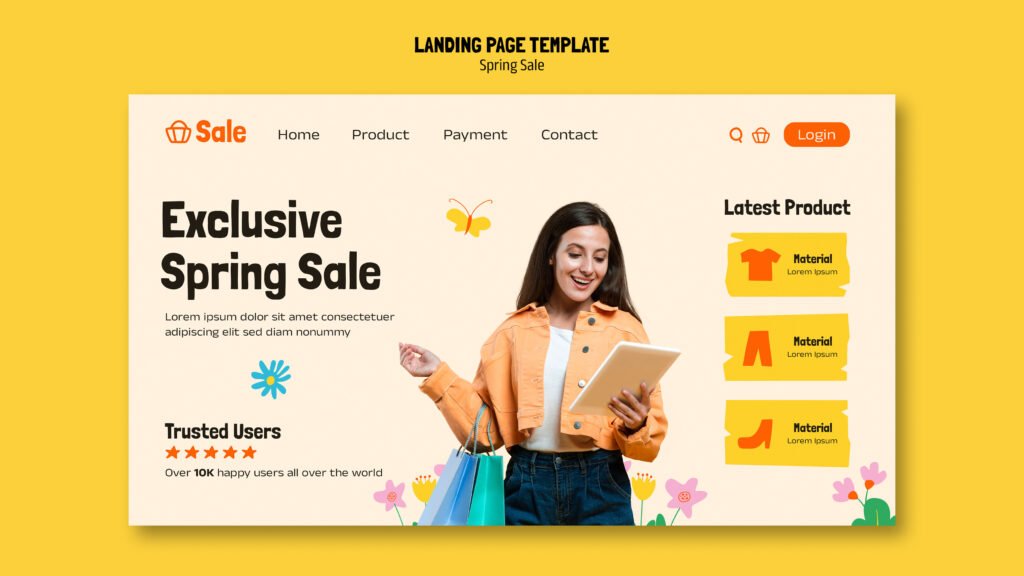
When the goal is to sell products or services online, e-commerce web design comes into play. This specialization focuses on building online stores. An e-commerce design must not only look attractive but also be extremely user-friendly for shopping: product pages should be clear, images high-quality, and the checkout process smooth and secure. Key features include shopping cart functionality, payment gateway integration, and trust indicators (like SSL badges and customer reviews). Designers often highlight calls to action (like “Add to Cart” or “Checkout”) and ensure filtering/search works well for large catalogs.
E-commerce design also overlaps heavily with mobile design, since many shoppers use phones. As discussed, mobile-friendly website design is crucial: if the shopping cart or menu doesn’t work on mobile, customers will bounce. Given India’s booming online retail market (around $60 billion in 2024), businesses cannot afford a poor e-commerce UX. Good e-commerce design often includes personalized touches too: showing related products, customer testimonials, and offering easy support (chatbots or contact links). With trends like quick commerce (ultrafast delivery apps) on the rise in India, an online store’s design must also feel modern and trustworthy.
WordPress and Platforms
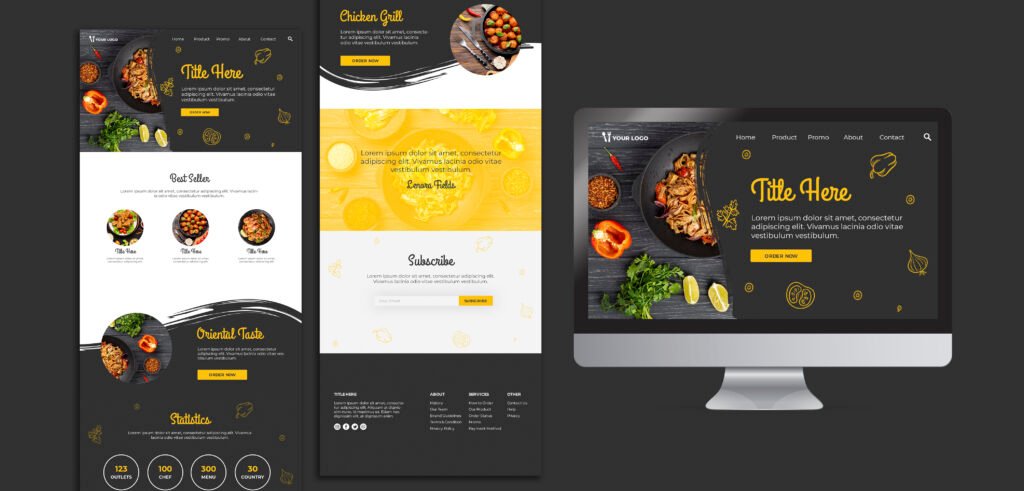
Many websites today are built on Content Management Systems (CMS), the most popular being WordPress. As of 2025, WordPress powers about 43% of all websites on the internet – nearly every other site uses it! WordPress’s popularity means there is a big demand for WordPress web designers. These designers specialize in customizing WordPress themes or building sites with WordPress’s drag-and-drop tools. Using WordPress can make a site easier for a client to update later (non-technical owners can add blog posts or products).
However, even WordPress sites require good design. A WordPress designer will choose or build a theme that matches the brand, set up plugins (like WooCommerce for e-commerce), and ensure the site is secure and fast. The downside is that just installing a “free theme” might leave a site looking generic. That’s where a professional comes in, creating custom templates or child themes on WordPress. For small businesses or blogs, hiring a WordPress designer is often the sweet spot between affordability and quality. The high market share of WordPress reflects that it’s versatile—used by bloggers, businesses, and even major media (Time Magazine runs on WordPress, for example).
Website Redesign Services
Technology and tastes change fast on the web. If your site is several years old, a website redesign may be needed. Redesigning means updating the look, improving features, and possibly restructuring content. Signs you need a redesign include an outdated style, slow performance, poor navigation, or a rebranding of your company. (As one marketing firm puts it, a site giving off “2017 energy” likely turns away customers.) In many cases, a redesign incorporates mobile responsiveness if that was missing before. It can also improve the site’s architecture: reorganizing pages so visitors find information within a few clicks.
A redesign can bring big SEO and performance benefits. It’s like moving homes: a fresh start to optimize everything. Designers can implement current best practices: better meta tags, faster page loads, and improved mobile compatibility. For example, they might add structured data (schema markup) so search engines display rich snippets or rewrite headings for clarity. Because Google “rewards websites that are optimized for users and crawlers,” a well-executed redesign can boost organic traffic. In short, if your old site isn’t converting visitors or reflecting your brand. A redesign makes sure it catches up with modern standards—both for users and for SEO.
SEO-Friendly Website Design
A modern website must be not only attractive but also search-friendly. SEO-friendly website design means building the site so search engines can easily read and rank it. According to SEO experts, the most important part is making your site fully accessible and indexable by search engine crawlers. In practice, that means using clean HTML, meaningful titles, and headings (like <h1>, <h2> tags), and avoiding hidden content. Designers also ensure images have alt text and that pages load quickly. As one SEO guide notes, design that is easy to navigate and “loads quickly” serves both users and SEO.
Many SEO best practices coincide with good design: a clear site structure (so Google can follow links), descriptive URLs, and mobile-friendliness. Google explicitly rewards sites that offer a great user experience, so features like responsive design, fast speed, and accessibility (alt text, labels, contrast) all contribute. Conversely, a cluttered or slow site will hurt rankings. In short, thinking about SEO from the start means planning content and code that search engines understand, as well as crafting content around the right keywords. A well-designed site should seamlessly blend brand visuals with hidden SEO work (meta tags, schema, sitemaps) to help the site get found online.
Pros and Cons of Professional Web Design
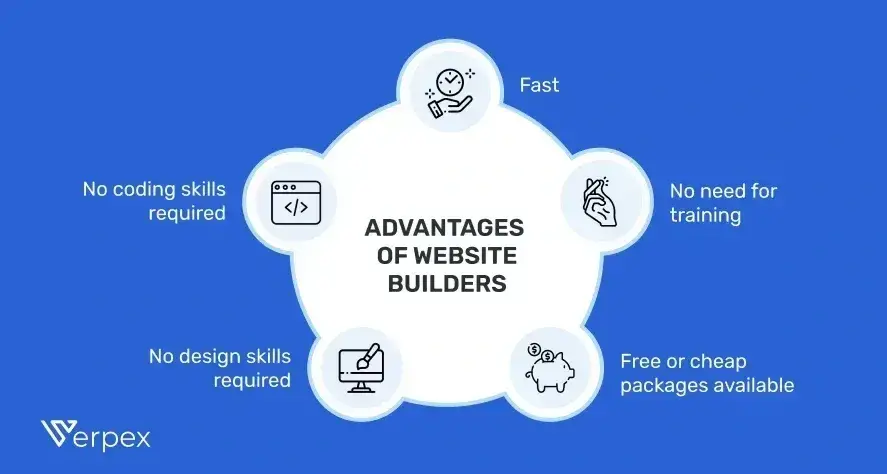
Pros: A professionally designed website can greatly benefit a business. Good design builds trust and credibility – studies show people judge a company by its website design within seconds. It makes navigation intuitive so users find products or information quickly. Professionally optimized design also boosts conversions: clear calls-to-action, streamlined forms, and strategic layouts guide visitors toward buying or contacting you. From an SEO standpoint, a well-built site ranks higher, leading to more traffic. Additionally, a modern responsive site means you reach more customers on mobile devices. Working with an experienced team usually means fewer bugs and better security.
-
Builds Trust: A polished site projects reliability. Users tend to trust companies more if their website looks up-to-date and professional.
-
Better Engagement & Sales: A clean layout and UX can keep visitors longer, increasing the chances they sign up or buy.
-
SEO & Visibility: Fast loading and mobile-friendly design help search rankings, bringing in more organic visitors.
-
Scalability: A custom site can grow: you can add new pages, features (like a store or blog), or redesign later without starting from scratch.
Cons being a major decider –
Cons: On the flip side, high-quality web design requires investment. Professional design and development costs more money and time than a DIY or template approach. Custom sites take weeks or months to build, which may delay a launch. Businesses need to maintain and update content regularly. A design trend becomes outdated in a few years, or software needs patches. If requirements are not clear, a project can run over budget. Another drawback is technical complexity: if you want a truly unique design, you often need skilled developers to implement it. In some cases, simple template-based sites might have served the purpose. Finally, too much creativity can sometimes confuse users (overly artistic layouts may hurt usability). It’s important to balance flair with function to avoid overwhelming visitors
Conclusion
Web design encompasses everything involved in crafting a website’s experience – from the first wireframe sketch to the final coded pages. It combines creative and technical skills: visual design, user experience strategy, and coding with HTML5/CSS3 to bring it to life. For modern websites, being responsive and mobile-friendly is a must. Integrating SEO best practices ensures the site is found by search engines. Whether through a professional web design company or DIY tools, the goal is the same: a clear, attractive, and functional site that serves visitors’ needs. We’ve seen how specialized services like UX/UI agencies, custom development, and even WordPress design play roles in this field. Web design trends (bold fonts, dark mode, AI tools) keep things fresh, but the fundamentals – good layout, fast loading, and user focus – remain constant. In the end, great web design helps build trust and drives business success, making it an essential part of any online strategy.